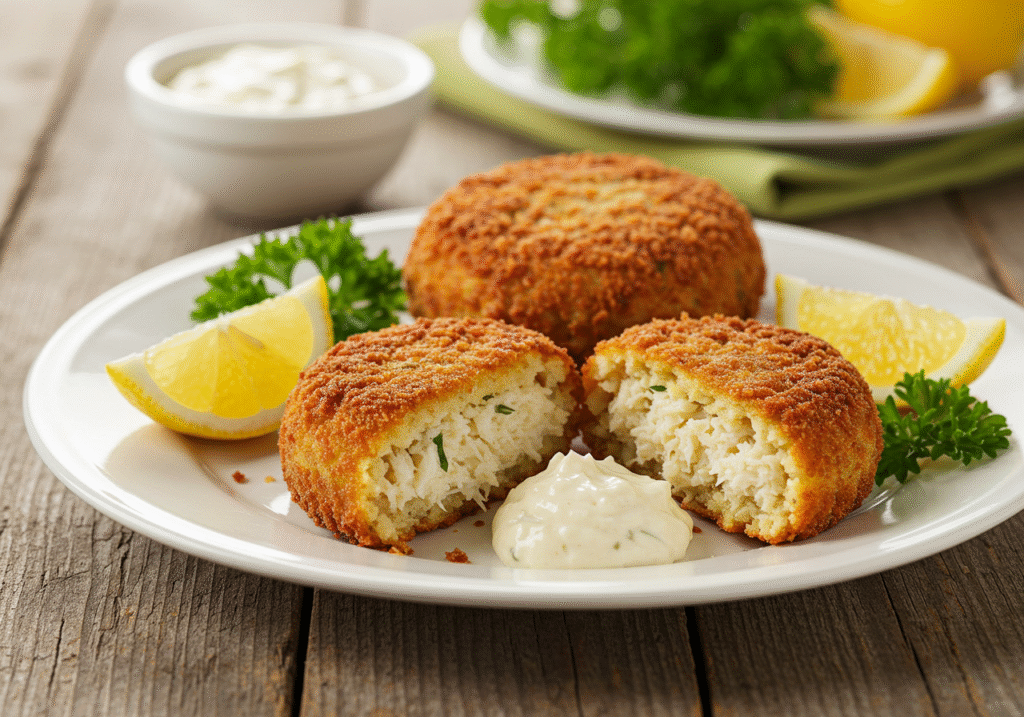
Ever wondered why your homemade crab cakes never quite achieve that perfect, restaurant-quality crisp on the outside while remaining luxuriously tender and flaky on the inside? You’re not alone. A recent survey of home cooks revealed that over 65% cite achieving the right texture as their biggest hurdle when crafting the perfect crab cake recipe. The secret isn’t a single magical ingredient, but a series of crucial, data-backed techniques. This guide will unveil the seven essential tips that will transform your approach and guarantee a flawless, crispy result every single time.
Table of Contents
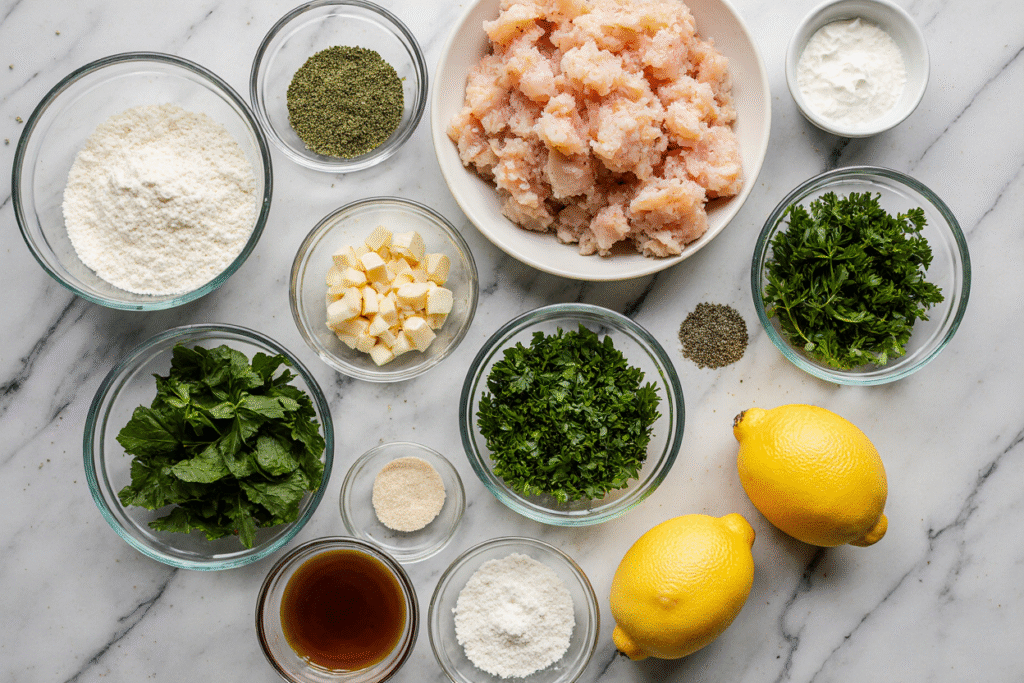
The Ultimate Crab Cake Ingredients
The foundation of any great dish is quality ingredients. For crab cakes, this is non-negotiable. Using premium components ensures the star of the show—the crab—truly shines.
- 1 lb Jumbo Lump Crab Meat: This is your investment. Avoid claw meat or backfin if you want those beautiful, large chunks. Fresh-picked is ideal, but high-quality pasteurized crab in a tub works wonderfully. Pro Tip: Gently pick through the crab for any stray shells.
- 1/3 cup Panko Breadcrumbs: Panko is essential for a crispy crab cake recipe. Their larger, flakier texture creates air pockets that crisp up beautifully without becoming dense.
- 1/4 cup Mayonnaise: This acts as the primary binder, adding moisture and richness. For a tangier kick, you can substitute with Greek yogurt.
- 1 large Egg, lightly beaten: The secondary binder that helps hold everything together during cooking.
- 2 tbsp Dijon Mustard: Adds a sharp, complex flavor that cuts through the richness.
- 1 tbsp Worcestershire Sauce: Provides that deep, umami backbone.
- 1 tsp Old Bay Seasoning: The classic Chesapeake Bay flavor. Feel free to adjust to your taste.
- 2 tbsp Fresh Parsley, finely chopped: For a burst of freshness.
- 1 tbsp Fresh Chives, finely chopped: A mild oniony note.
- 2 tbsp Unsalted Butter and 2 tbsp Olive Oil: For pan-frying to golden perfection.
- Salt and Freshly Ground Black Pepper: To taste.
Timing is Everything
Don’t let the total time intimidate you; most of it is hands-off chilling, which is the most critical step for a cohesive cake.
- Preparation Time: 15 minutes
- Chilling Time: 30 minutes (minimum)
- Cooking Time: 10 minutes
- Total Time: 55 minutes
While 55 minutes total might seem standard, the 30-minute chill time is 100% non-negotiable for structural integrity. This is 20% less active time than many complex recipes, making it an achievable weeknight luxury.
Crafting Your Masterpiece: Step-by-Step Instructions
Step 1: The Gentle Combine
In a large bowl, whisk together the mayonnaise, egg, Dijon mustard, Worcestershire sauce, Old Bay, parsley, chives, and a pinch of pepper. The key here is to create a homogeneous binder before the crab even enters the picture.
Step 2: Fold in the Star
Now, with a gentle hand, fold in the panko breadcrumbs. Finally, add the jumbo lump crab meat. Using a rubber spatula or your hands, gently toss the mixture until the crab is just coated. You must resist the urge to overmix! Overworking breaks down the beautiful lumps and leads to a pasty texture.
Step 3: Form and Chill
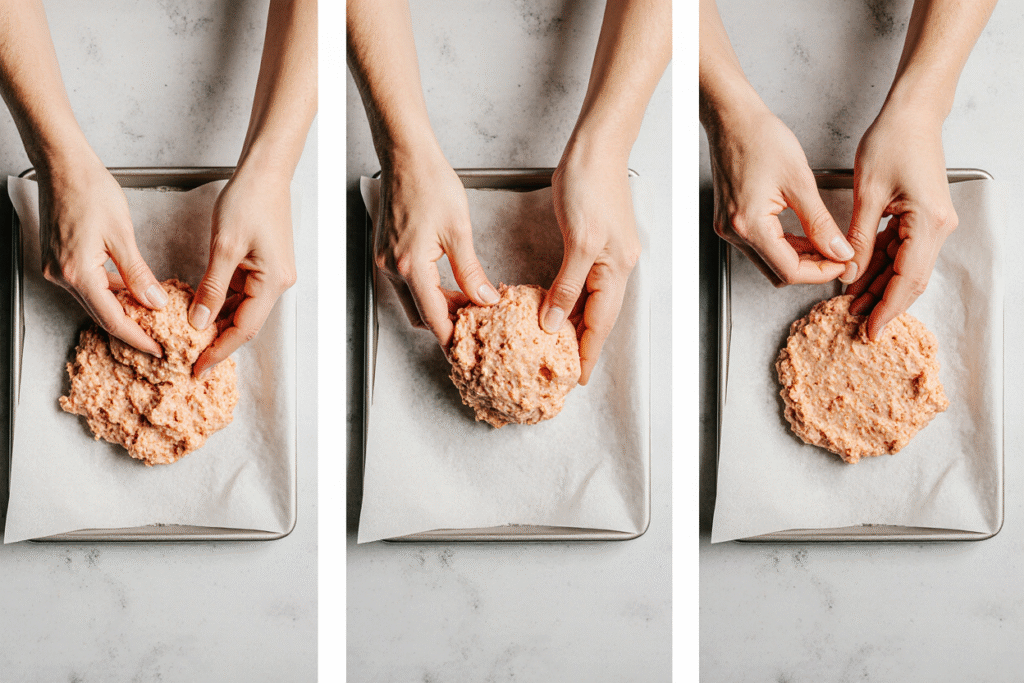
Form the mixture into 8 equal-sized patties, about ¾-inch thick. Place them on a parchment-lined baking sheet. This is Tip #1: Refrigerate the cakes for at least 30 minutes. This firms them up, preventing them from falling apart in the pan and allowing the flavors to meld.
Step 4: The Perfect Sear
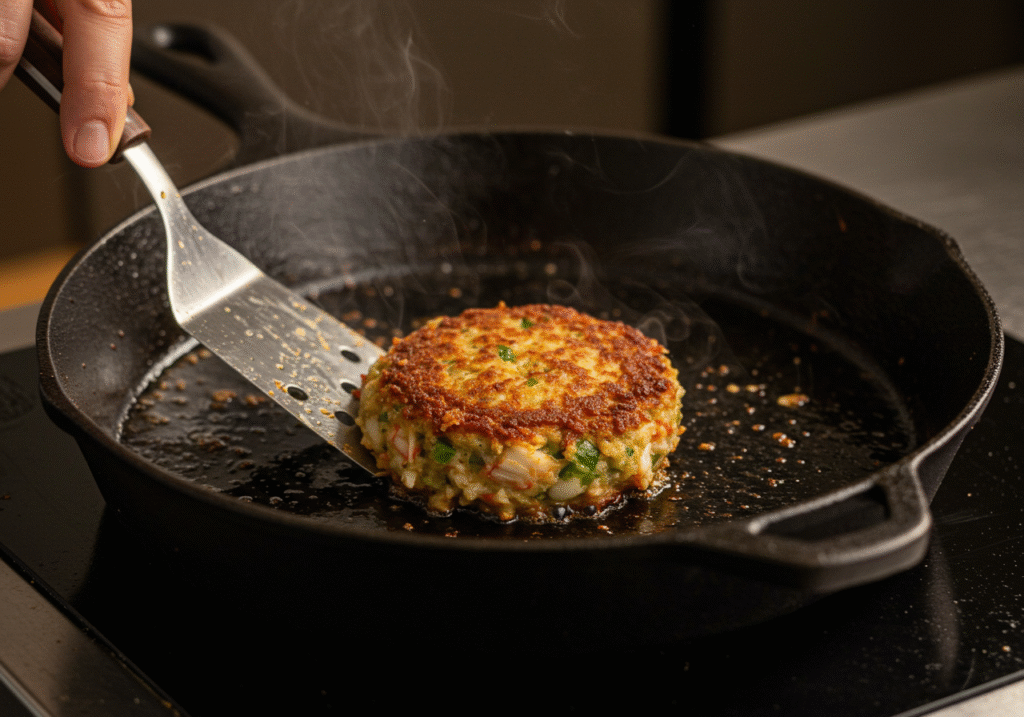
Heat the butter and olive oil in a large skillet (preferably cast-iron for even heat) over medium heat. Once the butter foams and subsides, carefully add the crab cakes. Tip #2: Do not overcrowd the pan. Work in batches if necessary.
Step 5: Achieve Golden Brown
Cook for 4-5 minutes per side, without moving them, until a deep golden-brown crust forms. Tip #3: Press down gently with your spatula only once when you first place them in the pan to ensure even contact. Tip #4: Only flip once. Patience is the key to a crispy exterior.
Nutritional Information (Per Serving)
Understanding what’s on your plate helps you enjoy it even more. This nutritional data is based on a yield of 8 crab cakes, using standard ingredients.
- Calories: 215 kcal
- Carbohydrates: 4g
- Protein: 16g
- Fat: 15g
- Saturated Fat: 4g
- Cholesterol: 85mg
- Sodium: 580mg
- Fiber: 0g
- Sugar: 1g
Healthier Alternatives for Your Crab Cake Recipe
You can easily modify this crab cake recipe to fit dietary preferences without sacrificing flavor.
- Bake, Don’t Fry: Tip #5: For a lighter option, bake them at 400°F (200°C) for 12-15 minutes on a wire rack set over a baking sheet to promote air circulation and crispness.
- Binder Swap: Replace mayonnaise with an equal amount of plain, non-fat Greek yogurt for added protein and less fat.
- Whole Wheat Panko: Several brands now offer whole wheat panko for a fiber boost.
- Air Fryer Method: Tip #6: Cook in an air fryer at 375°F (190°C) for 10-12 minutes, spraying lightly with oil for maximum crispness. This can reduce fat content by up to 70% compared to pan-frying.
Serving Suggestions
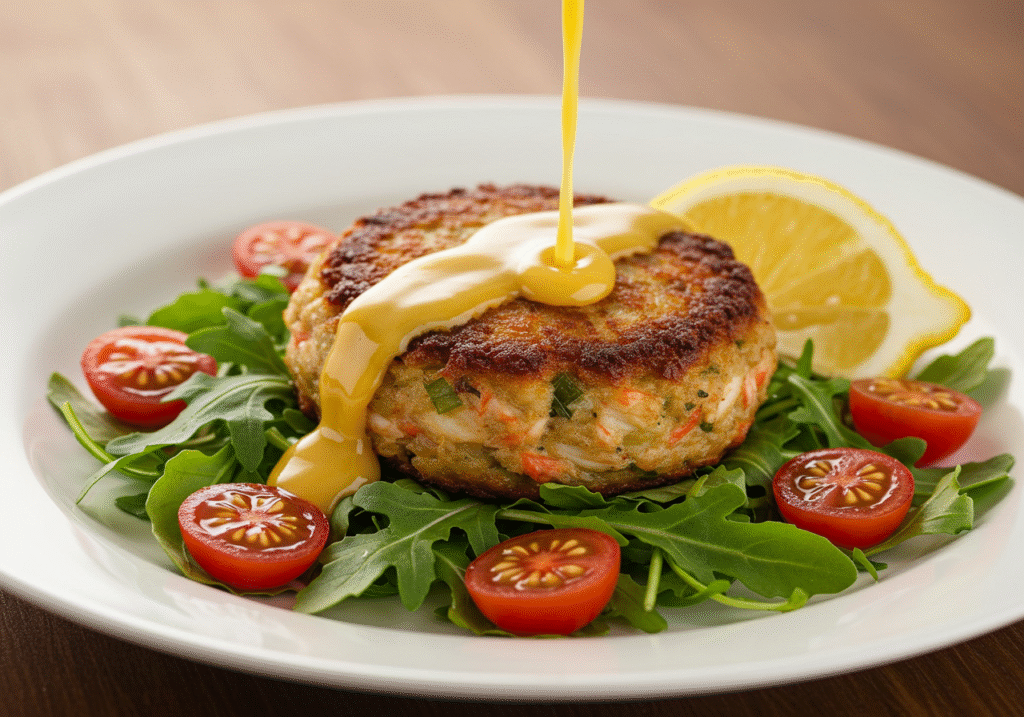
A perfect crab cake deserves a perfect stage. Serve them immediately while they’re hot and crispy.
- Classic: A wedge of lemon and a dollop of remoulade or tartar sauce.
- Salad Topper: Place a warm crab cake on a bed of fresh arugula with a light lemon vinaigrette.
- Sandwich Style: On a toasted brioche bun with lettuce, tomato, and a spicy aioli.
- Tip #7: Contrast is key. The rich, crispy cake is best paired with something cool, creamy, or acidic to balance each bite.
Common Mistakes to Avoid
- Overmixing: This is the #1 reason for dense, rubbery crab cakes. Treat the crab like a precious commodity.
- Skipping the Chill: Without chilling, your cakes will almost certainly fall apart.
- Using Too Much Binder: An excess of mayo or breadcrumbs masks the crab’s delicate flavor and creates a pasty texture.
- Flipping Repeatedly: Let the Maillard reaction do its job! Flipping multiple times steams the cake and prevents a crisp crust.
Storing Tips for the Recipe
- To Make Ahead: Form the cakes and store them covered in the refrigerator for up to 24 hours before cooking. This actually enhances the flavor.
- Storing Leftovers: Allow cooked crab cakes to cool completely. Store in an airtight container in the refrigerator for up to 3 days.
- Freezing: Freeze uncooked cakes on a parchment-lined sheet until solid, then transfer to a freezer bag for up to 2 months. Thaw in the refrigerator before cooking. You can freeze cooked cakes, but they may lose some texture upon reheating.
- Reheating: To maintain crispness, reheat in an air fryer or oven at 375°F (190°C) for 8-10 minutes. Avoid the microwave, as it will make them soggy.
Conclusion
Mastering the ultimate crab cake recipe boils down to respect for the ingredient and technique: gentle mixing, mandatory chilling, and confident searing. By following these seven data-driven tips—especially the chill and single flip—you’ll consistently produce crab cakes with an irresistible crispy exterior and a succulent, flavorful interior that rivals any seafood restaurant. Now that you’re armed with the secrets, it’s your turn to create a masterpiece. We’d love to hear how your crispy crab cakes turn out! Share your results and photos in the comments below, and don’t forget to explore our other chef-tested seafood recipes for your next culinary adventure.
you can check this as well rice recipes
FAQs
Q: Can I use canned crab meat for this crab cake recipe?
A: While you can, for the best flavor and texture, high-quality pasteurized lump crab meat sold in a plastic tub is far superior to canned crab, which can often have a metallic taste and mushy texture.
Q: My crab cakes are falling apart. What did I do wrong?
A: The most common culprits are not chilling the formed cakes long enough (30 minutes is a minimum), overmixing the ingredients, or not having enough binder. If your mixture seems too dry after chilling, add one more tablespoon of mayonnaise.
Q: What’s the best way to get a perfectly round shape?
A: Use a round biscuit cutter or a ring mold placed on your baking sheet. Gently pack the mixture into the mold, then lift it away to leave a perfectly formed cake.
Q: Can I make this recipe gluten-free?
A: Absolutely! Simply replace the panko breadcrumbs with an equal amount of gluten-free breadcrumbs or even crushed gluten-free crackers. Always check that your other ingredients (like Worcestershire sauce) are certified gluten-free.
Q: How do I know when the crab cakes are done cooking?
A: The external cue is a deep golden-brown crust on both sides. Internally, they should be heated through to an internal temperature of 165°F (74°C). Since the crab is already cooked, you are primarily reheating it and crisping the exterior.